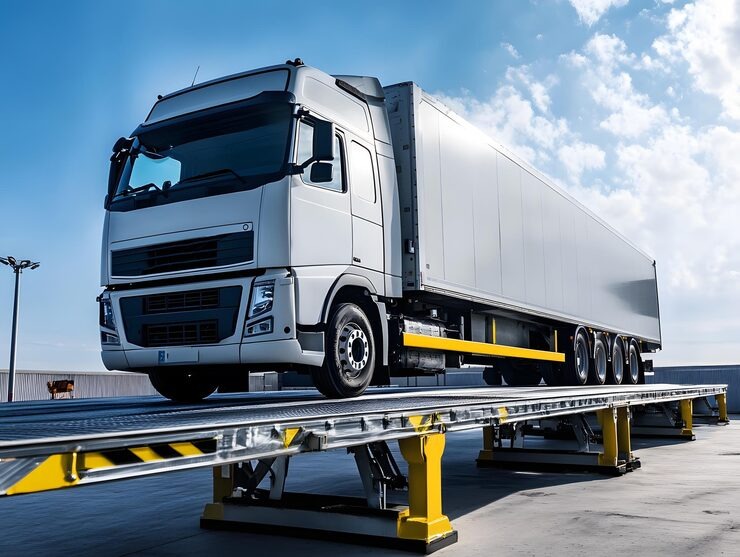
If you weigh the same loaded truck more than once and receive different results, you should not automatically assume the scale is defective. Differences can come from the truck’s position, load distribution, environmental conditions, mechanical restrictions, or problems within the weighing system. Understanding these causes helps you determine when an operational adjustment is enough and when professional service is necessary.
For businesses relying on Truck Scales Houston TX, consistent readings are essential for billing, inventory control, transportation planning, safety, and regulatory compliance. Even a relatively small weighing error can become expensive when repeated across hundreds of loads.
Truck Position Can Change the Reading
One of the simplest causes of inconsistent truck weight is positioning.
A truck scale measures the force transferred through its weighing platform and load cells. If you stop the truck in a different position during each weighing, the weight may not be distributed across the same areas of the platform.
For example, a truck positioned with an axle closer to one end of the platform may produce a slightly different reading than the same truck positioned differently. You should establish consistent weighing procedures so drivers stop in the designated location every time.
Make sure the entire vehicle is properly positioned on the platform and that no wheels are touching curbs, ramps, surrounding structures, or other surfaces that could create unintended load paths.
Load Distribution Matters
A truck’s cargo does not always remain evenly distributed.
Material can shift during loading, transportation, braking, turning, or unloading. Liquids can move inside tanks, while loose materials may settle differently as the vehicle travels. These changes can alter how force is transferred through the axles and scale structure.
If you are weighing a truck before and after a short trip, compare the loading conditions carefully. A different material distribution does not necessarily mean the scale is inaccurate.
You should also watch for uneven loading. Keeping cargo properly distributed improves vehicle stability while making weight measurements more repeatable.
Debris Can Interfere With Weighing
Mud, dirt, gravel, ice, and other debris can become trapped around or beneath a truck-scale platform. This can restrict normal platform movement or create unintended contact between components.
Industrial Scale & Measurement notes that contamination around load cells and platform areas can interfere with the intended load path and contribute to inconsistent readings.
You should routinely inspect the platform perimeter and surrounding areas. Remove accumulated material before it becomes compacted or interferes with scale movement.
However, cleaning alone may not solve the problem if contamination has already contributed to corrosion, mechanical binding, or component damage.
Temperature and Weather Can Affect Performance
Outdoor truck scales operate in demanding conditions. Houston’s heat, humidity, rain, and changing temperatures can place additional stress on scale components.
Electronic components, load cells, cables, junction boxes, and structural parts can all be affected by environmental exposure. Temperature changes can also contribute to measurement drift.
That does not mean every difference between readings is caused by weather. Instead, you should look for patterns. If discrepancies become more noticeable during particular environmental conditions, professional inspection can help determine whether environmental stress is contributing to the problem.
Load Cells May Be Aging or Damaged
Load cells are fundamental to accurate truck weighing because they convert applied force into an electrical measurement.
Repeated heavy loading, moisture, corrosion, electrical problems, physical damage, and long-term wear can affect load-cell performance. When one component begins producing an inconsistent signal, the overall scale may show different readings depending on where the truck is positioned.
If repeated tests show a consistent pattern of variation, do not simply compensate for the difference manually. You should have the weighing system evaluated to determine whether a load cell, connection, junction box, or another component requires attention.
Mechanical Binding Can Create Inconsistent Results
A truck scale needs to respond freely to applied weight. Mechanical binding can prevent that from happening.
Corrosion, damaged components, accumulated debris, shifted structural elements, or restricted platform movement may cause part of the truck’s force to bypass the intended measurement path.
This can create a situation where two apparently identical weighings produce different results.
A controlled repeatability test can help identify this type of problem. If the same test load repeatedly produces different measurements, professional diagnostics should be considered.
Calibration Drift Should Not Be Ignored
Calibration can change over time because of heavy use, environmental exposure, component aging, and mechanical stress.
Regular calibration helps confirm whether your scale is operating within applicable accuracy requirements. Industrial Scale & Measurement provides truck-scale calibration, maintenance, installation, and related services for Houston operations.
You should maintain calibration records and review them when unusual readings appear. A history of gradual changes can help technicians identify developing problems before they become major operational issues.
For commercial weighing, accurate and documented measurements are particularly important because weight data can affect billing, compliance, inventory, and customer relationships.
How You Can Troubleshoot Different Truck Weights
Before requesting service, you can perform several basic checks:
- Repeat the weighing consistently. Use the same truck position and weighing procedure.
- Check platform clearance. Look for debris, mud, or objects restricting movement.
- Inspect the truck. Confirm that the cargo has not shifted and that all wheels are properly positioned.
- Compare recent records. Look for patterns involving certain trucks, loads, or conditions.
- Review calibration history. Determine whether the scale is overdue for testing.
- Document unusual results. Record the truck, load, time, environmental conditions, and readings.
These steps give your service technician useful information and can make troubleshooting more efficient.
When Should You Call a Professional?
You should seek professional assistance when readings remain inconsistent after basic operational checks, particularly when the difference is repeatable or affects commercial transactions.
You should also arrange an inspection if you notice unexplained zero drift, corner-to-corner differences, damaged load-cell components, unusual platform movement, recurring errors, or sudden changes in weighing performance.
Industrial Scale & Measurement provides scale repair, calibration, maintenance, and weighing solutions, including support for transportation operations in Houston.
Choose Reliable Truck Scales in Houston, TX
Consistent truck weights depend on more than the indicator on the scale. Proper truck positioning, stable load distribution, clean platform areas, functioning load cells, sound mechanical components, and regular calibration all contribute to dependable measurements.
When you rely on Truck Scales Houston TX, treating inconsistent readings as an early warning can help you prevent larger financial and operational problems. Instead of repeatedly adjusting procedures to compensate for unexplained differences, identify the underlying cause.
If your truck scale is producing inconsistent readings, contact Industrial Scale & Measurement to discuss calibration, maintenance, inspection, or repair options. A professional evaluation can help you restore reliable weighing performance and protect the accuracy of your operation.
Frequently Asked Questions
1. Why does the same loaded truck weigh differently?
Different readings can result from truck positioning, shifting cargo, platform restrictions, debris, temperature changes, load-cell problems, mechanical binding, or calibration drift.
2. Can truck position affect scale readings?
Yes. Position changes can alter how the vehicle’s weight is distributed across the platform and load cells. Consistent positioning improves repeatability.
3. Can mud and dirt cause truck-scale errors?
Yes. Accumulated debris can restrict platform movement or interfere with the intended load path, potentially causing inconsistent measurements.
4. How often should a truck scale be calibrated?
The appropriate interval depends on usage, environment, application, regulations, and scale condition. Reviewing performance history with a qualified service provider can help establish an appropriate schedule.
5. When should you repair a truck scale?
You should consider professional service when readings remain inconsistent, calibration results fail requirements, components appear damaged, or weighing problems continue despite proper operating procedures.