Choosing the right electrical parts supplier is crucial for businesses that rely on high-quality components to maintain efficiency, safety, and reliability. Whether you are in construction, manufacturing, or facility maintenance, sourcing your electrical components from reputable electrical equipment suppliers ensures uninterrupted operations and compliance with industry standards.
With so many options available, how do you select the best supplier for your needs? This guide will walk you through the key factors to consider, ensuring you make an informed decision when purchasing electrical components like industrial circuit breakers and residential circuit breakers.
What Should You Look for in an Electrical Parts Supplier?
Not all electrical equipment suppliers are created equal. To ensure you get the best products and service, consider the following essential factors:
1. Product Range: Do They Offer Everything You Need?
An ideal electrical parts supplier should offer a wide selection of components, including but not limited to:
• Industrial circuit breakers for large-scale applications
• Residential circuit breakers for home electrical systems
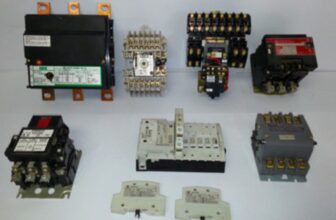
• Electrical wiring, connectors, and panels
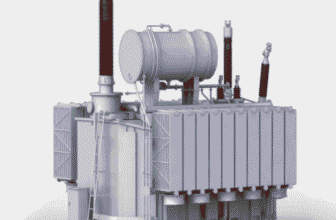
• Switches, relays, and transformers
A diverse inventory means you can source all your electrical needs from one supplier, reducing logistical headaches and ensuring compatibility between components.
2. Product Quality and Certifications: Are Their Parts Reliable?
Quality is paramount when it comes to electrical components. Inferior products can lead to safety hazards, costly repairs, and inefficiencies. Look for suppliers that:
• Offer products that meet industry standards such as UL (Underwriters Laboratories) or ISO certifications.
• Provide warranties or guarantees on their industrial circuit breakers and residential circuit breakers.
• Source components from well-known, reputable brands.
3. Pricing and Cost Transparency: Are You Getting the Best Deal?
While pricing should not be the sole deciding factor, it plays a significant role in supplier selection. Ask yourself:
• Are their prices competitive compared to other electrical equipment suppliers?
• Do they offer bulk discounts or loyalty programs?
• Is pricing transparent, with no hidden fees or extra costs?
4. Availability and Lead Time: Can They Deliver on Time?
Reliable supply chains are critical in preventing project delays. A good supplier should have:
• A well-stocked inventory to avoid shortages.
• Efficient logistics to deliver products within the promised time frame.
• Multiple warehouses or distribution centers to facilitate quick shipping.
5. Customer Support: Do They Provide Technical Assistance?
A reputable electrical parts supplier should offer excellent customer support, including:
• Assistance in selecting the right industrial circuit breakers or residential circuit breakers for your needs.
• Technical support for troubleshooting issues.
• A responsive sales team that addresses queries promptly.
6. Reviews and Reputation: What Are Other Customers Saying?
Customer feedback and online reviews provide valuable insights into a supplier’s reliability and service quality. Research their reputation by:
• Checking testimonials and reviews on independent platforms like Google Reviews or industry-specific forums.
• Asking for references from previous clients.
• Looking for any history of recalls or complaints related to their products.
Industrial vs. Residential Circuit Breakers: Do They Offer Both?
Whether your business requires industrial circuit breakers for large-scale machinery or residential circuit breakers for home electrical systems, your supplier should provide both options. Here’s why:
Industrial Circuit Breakers
• Designed for high-voltage, heavy-duty applications.
• Used in manufacturing plants, commercial buildings, and large electrical systems.
• Require compliance with stricter safety and performance regulations.
Residential Circuit Breakers
• Used in homes and small businesses to prevent electrical overloads.
• Typically handle lower voltage loads than industrial circuit breakers.
• Essential for ensuring household safety and preventing electrical fires.
A versatile electrical equipment supplier that provides both types of circuit breakers allows businesses to source all their electrical protection needs from one place.
Tips for Choosing the Best Electrical Equipment Supplier
If you’re still unsure which electrical parts supplier is right for you, here are some additional tips to help you make a well-informed decision:
• Compare Multiple Suppliers: Don’t settle on the first option. Compare pricing, reviews, and product offerings across different electrical equipment suppliers.
• Check Their Return Policy: A flexible return policy ensures you won’t be stuck with defective or incompatible products.
• Look for Value-Added Services: Some suppliers offer additional services such as custom fabrication, on-site assessments, or maintenance support.
• Assess Their Financial Stability: A well-established supplier with a strong financial background is less likely to experience supply chain disruptions.
Conclusion
Choosing the best electrical parts supplier requires careful evaluation of product quality, pricing, availability, and customer support. Whether you need industrial circuit breakers for large-scale projects or residential circuit breakers for home applications, partnering with a reputable supplier ensures safety, efficiency, and long-term reliability.
By prioritizing quality, reliability, and excellent customer service, you can build a strong partnership with the right electrical equipment suppliers, giving your business a competitive edge. Take the time to research, compare options, and make an informed decision to secure the best electrical components for your needs.