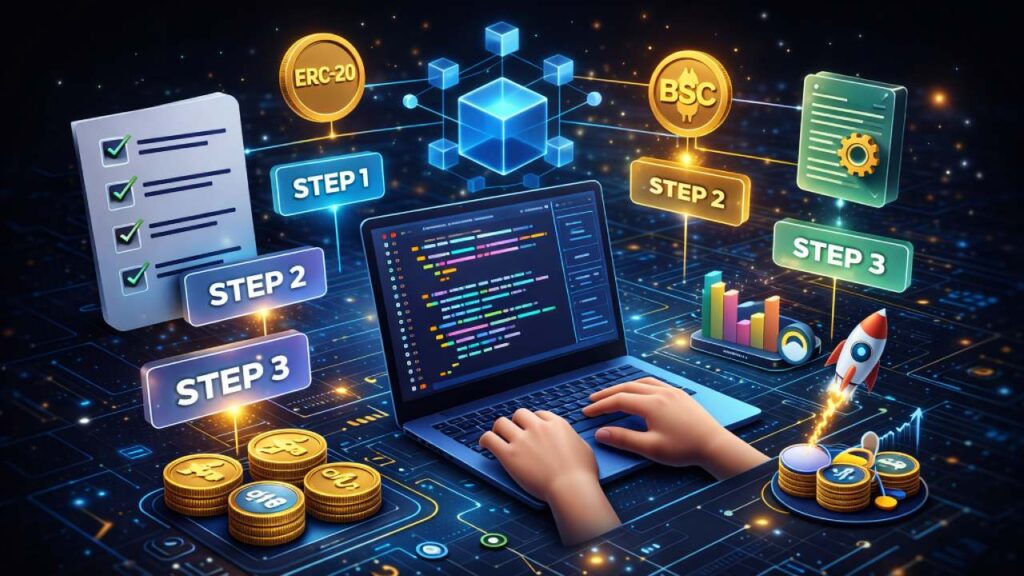
Blockchain technology has revolutionized the way businesses, startups, and individuals create, transfer, and manage digital assets. Among these innovations, blockchain tokens stand out as one of the most versatile tools in the digital economy. Tokens can represent ownership, access, utility, or even governance rights within a decentralized ecosystem. Whether you are looking to create a cryptocurrency, a utility token, or a security token, having a clear guide for token creation is crucial. This guide will walk you through the process of creating blockchain tokens, covering essential steps, best practices, and technical considerations.
What Are Blockchain Tokens
Blockchain tokens are digital representations of value or assets issued and managed on a blockchain network. Unlike cryptocurrencies such as Bitcoin or Ethereum, which exist as standalone digital currencies, tokens are built on existing blockchain platforms and serve specific purposes. They can be used as a medium of exchange, represent ownership of real-world assets, or provide access to decentralized applications (dApps). The rise of Blockchain Token Development has made it possible for companies and individuals to launch tokens efficiently, enabling new business models, fundraising methods, and digital economies.
Tokens can be categorized into different types based on their functionality. Utility tokens provide access to services or products within a platform. Security tokens represent investment contracts backed by assets or profits. Governance tokens allow holders to participate in decision-making within a blockchain ecosystem. Understanding the type of token you want to create is the first step in planning your blockchain token development process.
Step 1: Define Your Purpose and Token Type
Before you dive into technical development, it is essential to define the purpose of your token. Ask yourself: what problem will this token solve? Is it meant for fundraising, incentivizing users, or enabling governance within your platform? Identifying the purpose helps in choosing the token type and defining the rules and mechanisms for its use.
Selecting the correct token standard is equally important. Most tokens today are developed on blockchain platforms like Ethereum, Binance Smart Chain, or Solana, which provide standardized protocols such as ERC-20, ERC-721, or BEP-20. ERC-20 is the most common standard for fungible tokens, while ERC-721 is widely used for non-fungible tokens (NFTs). Your choice of token standard will influence the functionality, interoperability, and future scalability of your project.
Step 2: Choose the Blockchain Platform
The next step in blockchain token development is selecting the appropriate blockchain platform. Ethereum remains the most popular choice due to its robust ecosystem, extensive developer community, and mature smart contract capabilities. Binance Smart Chain offers lower transaction fees and faster confirmation times, making it a popular choice for projects seeking cost efficiency. Solana provides high throughput and low latency, ideal for projects requiring large-scale transaction processing.
Each blockchain platform comes with trade-offs related to speed, scalability, security, and cost. Consider your project’s goals, target audience, and technical requirements before making a decision. A well-chosen blockchain platform can simplify development and ensure long-term sustainability for your token project.
Step 3: Design Tokenomics
Tokenomics refers to the economic model governing your token, including its supply, distribution, and incentives. Properly designed tokenomics ensures that your token maintains value, attracts users, and supports the growth of your ecosystem.
Key considerations in tokenomics include total token supply, initial distribution, allocation for team and advisors, and mechanisms for incentivizing users. For example, staking or reward programs can encourage long-term engagement, while limited token supply can create scarcity and drive value. Defining tokenomics at an early stage is crucial for regulatory compliance and for communicating the value proposition to potential investors and users.
Step 4: Develop Smart Contracts
Smart contracts are self-executing programs that govern the rules and behavior of your blockchain tokens. They automate functions such as token transfers, balance tracking, and compliance checks. Writing secure and efficient smart contracts is central to successful blockchain token development.
Developers typically use languages such as Solidity for Ethereum or Rust for Solana to write smart contracts. Best practices include thoroughly testing code, implementing access controls, and auditing contracts for security vulnerabilities. Once deployed, smart contracts are immutable, making it essential to ensure their correctness and robustness before going live.
Step 5: Test Your Token
Before launching your token on the mainnet, extensive testing is necessary to ensure that it functions correctly and securely. Most blockchain platforms provide test networks, known as testnets, where developers can deploy and interact with tokens without risking real assets.
Testing should cover all token functionalities, including transfers, minting, burning, staking, and reward mechanisms. Performing multiple rounds of testing helps identify bugs, optimize performance, and validate compliance with your tokenomics design. Security audits from third-party experts are also recommended to detect vulnerabilities and build trust among investors and users.
Step 6: Deploy on the Mainnet
After successful testing, the token can be deployed on the main blockchain network, known as the mainnet. Deployment involves publishing the smart contract, initializing token supply, and configuring any associated features such as staking or governance mechanisms.
Once the token is live on the blockchain, it becomes immutable and fully operational. Users can interact with it through wallets, exchanges, and decentralized applications. Monitoring performance, addressing potential issues, and ensuring smooth operations are essential during the initial stages of deployment.
Step 7: Integrate with Wallets and Exchanges
For your token to gain adoption, it must be compatible with digital wallets and exchanges. Most wallets support standard token protocols like ERC-20, making integration relatively straightforward. Listing your token on exchanges, both centralized and decentralized, provides liquidity and accessibility for users and investors.
Integration with wallets and exchanges also requires ensuring security, transparency, and compliance with regulatory requirements. A smooth user experience and broad accessibility are key factors in driving adoption and long-term success.
Step 8: Ensure Regulatory Compliance
Regulatory compliance is a critical aspect of blockchain token development. Depending on the token type and jurisdiction, your project may be subject to securities laws, anti-money laundering regulations, and know-your-customer requirements. Consulting legal experts during the planning and deployment stages can help avoid legal issues and enhance credibility.
Ensuring compliance involves proper documentation, disclosure of risks, and adherence to local and international financial regulations. Proactive regulatory management builds investor confidence and supports sustainable growth for your blockchain token.
Step 9: Promote and Build Community
Successful blockchain tokens rely not only on technical execution but also on community support. Building an engaged community around your token helps increase adoption, trust, and utility. Social media channels, forums, and community events are effective ways to engage with users and investors.
Transparency, regular updates, and clear communication strengthen community loyalty and foster long-term interest in your token. Many projects implement governance models that allow token holders to participate in decision-making, creating a sense of ownership and collaboration.
Step 10: Maintain and Upgrade
Even after deployment, blockchain token development is an ongoing process. Continuous monitoring, maintenance, and potential upgrades are necessary to address technical issues, adapt to market conditions, and implement new features.
Regular audits, performance tracking, and community feedback help ensure that your token remains secure, functional, and relevant. Many successful projects implement upgradeable smart contract frameworks to introduce improvements without compromising security or decentralization.
Conclusion
Creating blockchain tokens involves a combination of strategic planning, technical expertise, and community engagement. By following a structured approach—from defining token purpose and type to deploying smart contracts, integrating with wallets, and ensuring compliance—developers can launch tokens that are secure, functional, and valuable.
Blockchain Token Development empowers businesses and individuals to participate in the digital economy, create innovative financial solutions, and unlock new opportunities for investment and growth. Whether your goal is fundraising, building a digital ecosystem, or launching a decentralized application, following these steps ensures a smooth and effective token creation process.
By focusing on well-designed tokenomics, robust smart contracts, and regulatory compliance, you can maximize adoption and long-term success for your blockchain token project. As blockchain technology continues to evolve, the potential for innovative tokens and decentralized applications will expand, offering exciting opportunities for creators, investors, and users worldwide.