Laboratory ventilation directly affects your safety, productivity, and research quality. Whether you work with volatile chemicals, hazardous vapors, or corrosive substances, maintaining clean indoor air is essential for protecting personnel and preserving a compliant work environment. Poor ventilation allows harmful contaminants to accumulate, increasing health risks and reducing operational efficiency.
That is why you should invest in a reliable chemical exhaust hood. Designed to capture and remove hazardous fumes at the source, these systems improve laboratory ventilation, minimize exposure to airborne contaminants, and support safer daily operations. Understanding how they work helps you select the right solution for your laboratory.
Why Laboratory Ventilation Matters
Every laboratory generates airborne contaminants during routine procedures. Chemical reactions, solvent evaporation, sample preparation, and material handling can all release hazardous gases and vapors into the workspace.
Without effective ventilation, these contaminants may:
- Reduce indoor air quality
- Increase employee exposure to toxic chemicals
- Create unpleasant odors
- Damage sensitive equipment
- Compromise laboratory compliance
- Increase long-term health risks
A properly designed ventilation system continuously removes contaminated air while supplying fresh replacement air, creating a healthier environment for everyone working in the laboratory.
How Chemical Exhaust Hoods Work
A chemical exhaust hood captures hazardous fumes directly where they are generated before they spread throughout the laboratory.
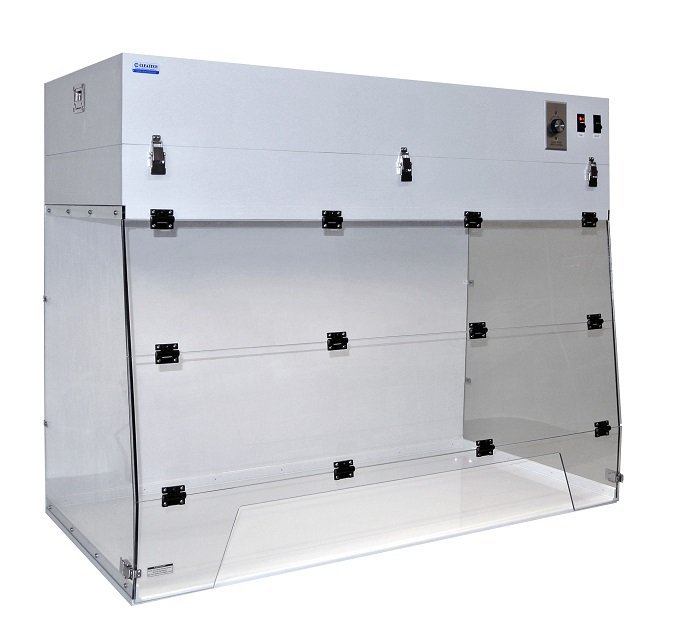
The system typically includes:
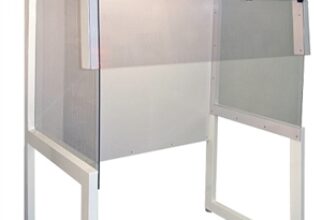
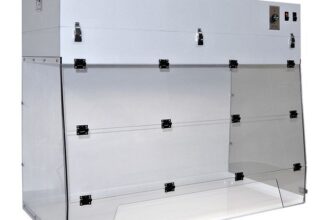
- An enclosed work area
- High-performance airflow
- Exhaust ducting or filtration
- Protective sash or work opening
- Ventilation controls
As chemicals release vapors, the hood immediately draws contaminated air away from you and safely removes it from the laboratory, significantly reducing exposure.
Improve Laboratory Safety
Your first priority should always be personnel safety.
Using a Chemical Exhaust Hood for hazardous laboratory chemical ventilation systems helps reduce direct exposure to:
- Toxic vapors
- Acid fumes
- Organic solvents
- Corrosive gases
- Irritating airborne particles
Instead of allowing contaminants to circulate through the room, the hood captures them before they reach your breathing zone.
This proactive approach creates a safer laboratory for researchers, technicians, students, and quality control personnel.
Enhance Air Quality
Good indoor air quality improves both comfort and productivity.
When airborne contaminants remain under control, laboratory personnel experience fewer respiratory irritations, reduced chemical odors, and a healthier working environment.
You can further improve laboratory performance by selecting a Chemical Exhaust Hood for laboratory ventilation and hazardous fume removal that matches your workflow and ventilation requirements. Learn more about professional solutions offered by Chemical Exhaust Hood systems for laboratory ventilation and hazardous chemical handling.
Support Regulatory Compliance
Laboratories must follow strict environmental and occupational safety regulations.
Proper ventilation helps you comply with industry standards by:
- Controlling airborne contaminants
- Improving worker protection
- Supporting chemical handling procedures
- Reducing workplace hazards
- Maintaining safer laboratory conditions
Installing properly designed exhaust hoods also demonstrates your commitment to workplace safety and quality assurance.
Protect Sensitive Equipment
Chemical vapors do not only affect people.
Corrosive fumes may gradually damage:
- Analytical instruments
- Electronic equipment
- Laboratory furniture
- Stainless steel surfaces
- Monitoring devices
Removing airborne contaminants quickly reduces corrosion and helps extend equipment life, lowering maintenance and replacement costs.
Increase Laboratory Productivity
A comfortable laboratory encourages better concentration and workflow.
When ventilation efficiently removes chemical odors and hazardous fumes, your team can work longer with fewer interruptions caused by poor air quality.
Better ventilation also minimizes downtime associated with contamination concerns, equipment damage, or safety incidents.
Reduce Cross-Contamination
Some laboratory processes require strict environmental control.
Chemical vapors drifting between workstations may interfere with experiments or contaminate sensitive materials.
A properly positioned exhaust hood isolates hazardous processes while maintaining cleaner surrounding air, improving experimental consistency and product quality.
Improve Flexibility Across Laboratory Applications
Chemical exhaust hoods are valuable in numerous laboratory environments, including:
- Pharmaceutical laboratories
- Biotechnology facilities
- Chemical research centers
- Electronics manufacturing
- University laboratories
- Medical research institutions
- Industrial quality control laboratories
Their versatility makes them an essential component of modern laboratory infrastructure.
Choose the Right Chemical Exhaust Hood
Not every laboratory requires the same ventilation solution.
Before purchasing, consider:
- Types of chemicals used
- Laboratory size
- Airflow requirements
- Frequency of chemical handling
- Regulatory requirements
- Installation location
- Future laboratory expansion
Selecting equipment that matches your applications improves long-term performance while reducing operational costs.
Work with an Experienced Laboratory Equipment Manufacturer
Choosing high-quality ventilation equipment is just as important as selecting the right specifications.
CleaTech LLC laboratory ventilation equipment and chemical exhaust hood manufacturing experts offers dependable laboratory solutions designed to improve safety, airflow efficiency, and operational reliability across various research and industrial environments.
If you need guidance selecting the right ventilation system, Contact us today for expert assistance choosing the ideal Chemical Exhaust Hood for your laboratory ventilation needs. Experienced specialists can help identify the best solution based on your facility, workflow, and compliance requirements.
Conclusion
Laboratory ventilation plays a critical role in protecting people, equipment, and research integrity. Chemical exhaust hoods capture hazardous fumes before they spread throughout the workspace, significantly improving indoor air quality while supporting regulatory compliance and operational efficiency.
Whether you operate a research laboratory, pharmaceutical facility, or industrial testing center, investing in the right chemical exhaust hood creates a safer and more productive environment. By selecting quality equipment designed for your specific applications, you can reduce health risks, protect valuable assets, and maintain reliable laboratory performance for years to come.
Frequently Asked Questions
What is a chemical exhaust hood?
A chemical exhaust hood is a laboratory ventilation system that captures and removes hazardous chemical fumes, vapors, and airborne contaminants from the work area.
Why is laboratory ventilation important?
Proper ventilation reduces exposure to harmful chemicals, improves indoor air quality, protects equipment, and supports laboratory safety and regulatory compliance.
Which laboratories benefit from chemical exhaust hoods?
Pharmaceutical, biotechnology, research, academic, medical, industrial, and quality control laboratories all benefit from effective chemical exhaust ventilation.
How does a chemical exhaust hood improve safety?
It removes hazardous fumes directly at the source, reducing inhalation risks and preventing contaminants from spreading throughout the laboratory.
What should you consider when selecting a chemical exhaust hood?
Evaluate your chemical applications, airflow requirements, laboratory size, compliance standards, installation space, and future operational needs before choosing a system.