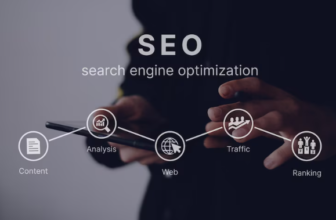
Getting consistent website traffic is an important goal for businesses that want to build visibility, attract potential customers, and generate sustainable growth. However, simply having a website is not enough. A site needs to be easy to find, useful to visitors, technically sound, and aligned with the search terms people actually use. This is where a focused SEO strategy can make a meaningful difference.
For websites struggling to attract organic visitors, Heritage SEO Services can provide a structured approach to improving search visibility. SEO involves several connected elements, including content quality, keyword targeting, technical performance, website structure, and user experience. When these areas work together, a website has a stronger foundation for attracting relevant search traffic.
Understanding Why Website Traffic Is Low
Before making changes, it is important to identify why a website is receiving limited traffic. Some websites may have strong content but weak keyword targeting. Others may have pages that search engines cannot easily crawl or understand. Slow loading times, poor mobile usability, unclear navigation, outdated content, and weak internal linking can also affect the overall performance of a site.
A detailed SEO review can help identify these gaps. Instead of making random changes, businesses can focus their resources on areas that have a clear connection to search visibility and visitor engagement.
Building a Strong Keyword Strategy
Keywords connect what people search for with the information a website provides. An effective strategy should consider the search intent behind each query rather than simply repeating popular phrases throughout a page.
Heritage SEO Services can support keyword research by identifying relevant topics, long-tail search phrases, and opportunities that match a business’s products or services. Long-tail keywords can be particularly useful because they often reflect more specific questions or needs.
However, keywords should always fit naturally into useful content. Excessive repetition can make a page difficult to read and may create an unnatural experience for visitors. Google also identifies keyword stuffing as a spam practice, making natural and valuable content an important part of a responsible SEO approach.
Creating Content That Attracts the Right Visitors
Traffic is most valuable when it comes from people who are genuinely interested in what a business offers. Content can help attract these visitors by answering common questions, explaining services, addressing customer concerns, and providing practical information.
Blog articles, service pages, guides, FAQs, and supporting resources can all contribute to a broader content strategy. Each page should have a clear purpose and provide information that is genuinely useful to its intended audience.
Strong content also needs appropriate organization. Descriptive headings, concise paragraphs, logical sections, and relevant internal links can make information easier for both visitors and search engines to understand.
Improving Technical Website Performance
Technical SEO provides the foundation that allows search engines to access, interpret, and index website content. Important areas may include crawlability, indexing, page speed, mobile usability, HTTPS, redirects, broken links, XML sitemaps, and website architecture.
Google recommends paying attention to the overall page experience, including Core Web Vitals, secure browsing, mobile presentation, and the accessibility of the main content.
Structured data can also help search engines understand specific types of content. Google explains that structured data provides information about a page and can support eligibility for certain enhanced search appearances, although its use does not guarantee that a rich result will appear.
Strengthening On-Page SEO
Every important page should clearly communicate its subject and purpose. Page titles, headings, descriptions, content structure, image information, URLs, and internal links can all contribute to a well-organized website.
Heritage SEO Services can help businesses review these elements and identify opportunities for improvement. For example, a service page may need more detailed information, a clearer heading structure, stronger internal links, or content that better matches the questions potential customers are asking.
Internal linking is also useful because it helps visitors move between related pages while creating clearer relationships between content sections.
Supporting Local and Broader Search Visibility
Depending on the business, SEO may focus on a specific geographic area, a national audience, or a broader market. Local businesses can benefit from accurate business information, location-focused pages, relevant content, and properly structured local information.
For websites serving multiple locations or regions, content should be genuinely useful for each audience rather than relying on repetitive pages with minor wording changes. This helps maintain quality while providing visitors with information that is relevant to their needs.
Measuring Progress and Making Ongoing Improvements
SEO is not a one-time task. Search behavior, competitors, website content, and search technologies can change over time. Regular monitoring helps businesses understand which pages are receiving traffic, which search queries are generating impressions, and where additional opportunities may exist.
Heritage SEO Services can be part of an ongoing process that combines analysis, content development, technical improvements, and performance monitoring. Instead of focusing solely on rankings, businesses can also examine organic traffic, engagement, conversions, and other meaningful website outcomes.
Turning More Traffic Into Meaningful Results
Increasing traffic is only one part of digital marketing. A website should also make it easy for visitors to take the next step. Clear calls to action, straightforward navigation, informative service pages, accessible contact information, and relevant supporting content can help guide visitors through their journey.
When SEO and website usability work together, businesses can create a stronger path from search discovery to meaningful engagement. This makes traffic more valuable because visitors are not simply arriving at the website—they are finding information that matches their needs.
Conclusion
Websites that need more traffic often require more than a few keyword changes. They need a coordinated strategy that considers content, technical performance, search intent, website structure, user experience, and ongoing measurement.
By addressing these areas systematically, Heritage SEO Services can help establish a stronger foundation for organic search visibility and sustainable website growth. Businesses that consistently create useful content and maintain a technically accessible website can give search engines and visitors clearer reasons to understand and engage with their online presence.
Frequently Asked Questions
How can SEO help a website get more traffic?
SEO can improve a website’s visibility for relevant searches by addressing content quality, keyword targeting, technical accessibility, website structure, and user experience. The goal is to attract visitors whose searches are relevant to the site’s offerings.
How long does it take to see SEO results?
The timeframe varies depending on factors such as website condition, competition, content quality, industry, and the scope of SEO work. SEO generally requires consistent effort and monitoring rather than expecting immediate results.
Is technical SEO important for website traffic?
Yes. Technical issues can make it harder for search engines to crawl, understand, or index pages. Addressing technical problems can create a stronger foundation for organic search performance.
Should businesses focus only on keywords?
No. Keywords are important, but effective SEO also considers search intent, content usefulness, technical performance, website structure, and visitor experience. Google emphasizes creating helpful, reliable, people-first content rather than content created primarily to manipulate search rankings.
Can SEO help improve the quality of website traffic?
SEO can help attract more relevant visitors by targeting searches connected to a business’s products, services, questions, and audience needs. The quality of traffic ultimately depends on how well the website’s content matches visitor intent and provides useful next steps.