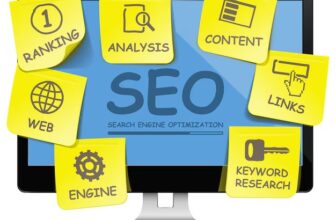
Building strong search authority takes more than publishing a few blog posts or adding keywords to website pages. Search engines increasingly evaluate websites based on relevance, credibility, content quality, technical performance, user experience, and the consistency of information across the web. For businesses operating in competitive markets, a strategic approach to search authority can create a stronger foundation for long-term organic visibility.
A professional Heritage SEO Company can help businesses develop a structured strategy that brings these elements together. From technical SEO and content development to local visibility and authoritative link building, the goal is to establish a website as a reliable resource within its industry.
Understand What Search Authority Really Means
Search authority refers to the level of trust and relevance a website demonstrates within its particular subject area. It is not created by one ranking factor. Instead, it develops through consistent signals that show search engines and users that a website provides useful, accurate, and trustworthy information.
A website with strong authority typically has well-organized content, relevant backlinks, a technically sound structure, positive user signals, and a clear connection between its pages and the topics it covers. Businesses should therefore focus on building genuine expertise instead of relying on shortcuts designed only to manipulate rankings.
Create High-Quality, Topic-Focused Content
Content remains an important part of establishing search authority. However, publishing large volumes of generic articles is unlikely to deliver meaningful results. Businesses should create content around topics their target audience actually searches for and questions they need answered.
Start by identifying core subjects related to your products, services, and industry. Then build supporting articles that answer specific questions around those subjects. This creates a logical content structure that can help search engines understand the depth of your expertise.
For example, a heritage-focused business might publish detailed resources about historical significance, preservation methods, restoration considerations, cultural value, and related services. Each article should provide original value rather than simply repeating information already available elsewhere.
Strengthen Internal Linking
Internal links help visitors move naturally between related pages while also helping search engines understand the relationships between different pieces of content. A strong internal linking structure can distribute authority throughout a website and make important pages easier to find.
When publishing new content, look for relevant existing pages that can be linked naturally. Use descriptive anchor text that tells readers what they can expect after clicking. Avoid excessive or repetitive linking, as internal links should serve a clear navigational or informational purpose.
A Heritage SEO Company may also review the site’s existing architecture to identify orphan pages, weak connections, and opportunities to create stronger topic clusters.
Earn Relevant and Trustworthy Backlinks
Backlinks can contribute significantly to a website’s authority when they come from reputable and relevant sources. The focus should be on earning links because the content is genuinely useful, not simply collecting as many links as possible.
Businesses can build quality backlinks by producing original research, informative guides, expert resources, case studies, and valuable industry content. Digital PR, professional partnerships, relevant directories, and editorial mentions can also support a natural link profile.
Relevance matters. A small number of credible links from websites related to your industry can be more valuable than a large collection of unrelated or low-quality links.
Invest in Technical SEO
Even excellent content can struggle if technical problems prevent search engines from efficiently crawling and understanding a website. Technical SEO should therefore be treated as an ongoing part of authority building.
Businesses should pay attention to page speed, mobile usability, crawlability, indexation, broken links, redirects, structured data, XML sitemaps, canonical tags, and website security. Regular technical audits can reveal issues that might otherwise remain unnoticed.
A well-maintained technical foundation also improves the user experience. Visitors are more likely to trust and engage with a website that loads efficiently, works properly across devices, and provides clear navigation.
Build Local Search Authority
For businesses serving specific locations, local SEO can play an important role in establishing authority. Consistent business information, relevant local content, customer reviews, location pages, and reputable local citations can help strengthen geographic relevance.
Businesses should make sure their name, address, phone number, operating information, and other important details remain accurate wherever they appear online. Creating useful content for local audiences can also demonstrate familiarity with the communities and markets being served.
A Heritage SEO Company can incorporate local search strategies into a broader SEO campaign, particularly when businesses rely on customers from specific cities, regions, or service areas.
Demonstrate Expertise and Trust
Search authority is closely connected to the quality and credibility of the information a website provides. Businesses should make it clear who creates their content and why readers should trust the information.
Author biographies, professional credentials, original research, citations to reliable sources, transparent company information, customer testimonials, and detailed service descriptions can all contribute to a more credible online presence.
Content should also be reviewed regularly. Outdated statistics, broken references, inaccurate claims, and old business information can weaken user confidence. Updating valuable pages helps keep them useful and relevant.
Monitor Performance and Refine the Strategy
Search authority is not something a business establishes once and then forgets. Search behavior, competitors, algorithms, and customer expectations continue to change. Monitoring performance is therefore essential.
Track organic traffic, keyword visibility, rankings, conversions, backlinks, engagement, and the performance of individual pages. These insights can reveal which topics are attracting valuable visitors and where additional content or technical work may be needed.
Working with a Heritage SEO Company can provide a structured process for analyzing these signals and adjusting the strategy according to measurable results rather than assumptions.
Focus on Long-Term Consistency
One of the biggest mistakes businesses make with SEO is expecting immediate results. Search authority generally develops through sustained effort. Publishing valuable content one month and abandoning the strategy the next is unlikely to produce lasting momentum.
Instead, establish a realistic publishing schedule, maintain technical quality, continue earning relevant mentions, refresh existing resources, and monitor competitors. Consistency allows the website to build a stronger collection of useful signals over time.
FAQs
What is search authority in SEO?
Search authority is the level of trust, relevance, expertise, and credibility a website demonstrates for particular topics. It develops through factors such as quality content, relevant backlinks, technical SEO, strong site architecture, and positive user experiences.
How long does it take to build search authority?
The timeline varies depending on competition, website history, content quality, technical condition, industry, and link profile. Building meaningful authority generally requires consistent SEO work over an extended period rather than a short-term campaign.
Can small businesses build search authority?
Yes. Small businesses can establish authority by focusing on specific topics, producing genuinely useful content, developing local relevance, earning industry-relevant links, and demonstrating first-hand expertise. A focused strategy can be especially effective in a well-defined niche.
Why are backlinks important for authority?
Relevant, trustworthy backlinks can act as signals that other websites consider your content useful or credible. The quality and relevance of links are more important than simply acquiring a large number of them.
Should old website content be updated?
Yes. Valuable older content should be reviewed periodically to ensure that facts, statistics, links, examples, and recommendations remain accurate. Updating useful pages can help maintain their relevance and usefulness.
When should I contact an SEO professional?
If your website has persistent ranking problems, technical issues, limited organic traffic, or difficulty competing with established websites, professional guidance may be worthwhile. Businesses interested in developing a structured SEO strategy can contact us to discuss their goals.
Final Thoughts
Building search authority requires a balanced approach that combines useful content, technical quality, relevant links, strong internal architecture, local relevance, and credible information. Businesses that consistently provide value are better positioned to earn trust from both users and search engines.
A strategic Heritage SEO Company approach can bring these activities together into a practical long-term plan. Rather than chasing short-lived ranking tactics, businesses should focus on creating a website that deserves visibility. With consistent effort, careful measurement, and a commitment to quality, search authority can become a valuable foundation for sustainable organic growth.
For businesses ready to strengthen their online presence, choosing the right Heritage SEO Company can be an important step toward building a credible and competitive search strategy.