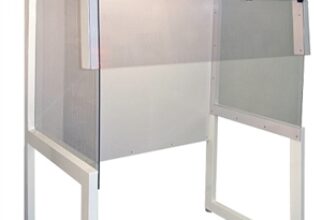
Upgrading laboratory safety does not always require a complete facility renovation. If you need better protection against chemical fumes and airborne contaminants, integrating a benchtop fume hood into your existing laboratory can be a practical solution. These compact systems help you establish a controlled work area while making efficient use of available bench space. However, successful integration requires careful planning, equipment selection, ventilation assessment, and consideration of your laboratory’s existing workflow.
Whether you operate a research laboratory, educational facility, pharmaceutical workspace, or quality control department, choosing the right installation approach helps you improve safety without unnecessarily disrupting daily operations.
1. Evaluate Your Existing Laboratory Layout
Before selecting a benchtop fume hood, assess your current laboratory arrangement. Identify available countertops, workstations, electrical outlets, ventilation systems, and nearby equipment.
Measure the available bench area, including its width, depth, and height. Remember to account for the hood’s external dimensions, sash clearance, service access, and space required for maintenance.
You should also consider how laboratory personnel move around the workspace. Avoid positioning the hood where it obstructs walkways, emergency exits, fire extinguishers, or access to safety showers.
A proper layout assessment helps you identify an installation location that supports safe operation and convenient access.
2. Select the Right Benchtop Fume Hood
Your choice of fume hood should depend on the chemicals you handle, the frequency of laboratory operations, and the required level of containment.
Consider these important factors:
Chemical compatibility: Evaluate the materials used in the hood against the chemicals, vapors, and concentrations involved.
Air filtration: Determine whether the filtration system is suitable for the specific contaminants generated.
Workload: Match the hood’s interior dimensions to your equipment, containers, and experimental procedures.
Workspace availability: Choose a compact design that fits your existing laboratory bench.
Maintenance requirements: Review filter replacement schedules, accessibility, and monitoring features.
Ductless models can be useful when suitable exhaust ductwork is unavailable. However, they are not appropriate for every chemical or application. Confirm that the manufacturer’s filtration specifications support your intended processes.
Explore Benchtop Fume Hoods for Compact Laboratory Chemical Handling Applications to identify equipment options that may suit your workspace.
3. Check Ventilation and Filtration Requirements
Ventilation is one of the most important considerations when integrating a fume hood into an existing facility.
First, determine whether your selected system is ducted or ductless. A ducted hood requires a compatible exhaust connection and an assessment of the building’s ventilation capacity. A ductless hood uses internal filtration and recirculates treated air back into the laboratory, subject to the manufacturer’s specifications and applicable safety requirements.
For ductless systems, evaluate:
- Chemical-specific filter compatibility.
- Expected contaminant concentrations.
- Filter capacity and replacement intervals.
- Airflow monitoring and alarm features.
- Procedures for handling saturated filters.
Never assume that a standard activated carbon filter can capture every chemical vapor. Some applications require specialized filtration, and certain substances may make ductless operation unsuitable.
Consult your laboratory safety officer or qualified ventilation professional before approving the installation.
4. Prepare the Existing Workbench
Your laboratory bench must provide a stable and suitable foundation for the equipment.
Check its load-bearing capacity against the hood’s operating weight, including accessories and equipment placed inside the chamber. Inspect the countertop for cracks, uneven surfaces, chemical damage, or structural weaknesses.
Before positioning the unit:
- Remove unnecessary laboratory materials.
- Clean and prepare the installation surface.
- Verify that the bench is level and structurally adequate.
- Confirm the availability of required electrical connections.
- Maintain sufficient clearance around service panels and ventilation openings.
Avoid placing the hood near open windows, frequently used doors, fans, or other sources of disruptive air currents.
5. Integrate Electrical and Utility Connections
Some benchtop fume hoods require electrical power for blowers, lighting, filtration monitors, and alarm systems.
Review the manufacturer’s electrical specifications before installation. Check voltage, current requirements, outlet positioning, grounding, and applicable electrical safety standards.
If your application requires water, gas, vacuum, or other utility connections, verify that the selected hood supports those services. Have qualified personnel complete any necessary modifications.
Keep electrical connections accessible without creating cable obstructions or exposing components to chemical spills.
6. Maintain Safe Laboratory Workflows
A well-integrated fume hood should improve your existing workflow rather than create additional operational difficulties.
Position frequently used equipment within convenient reach while keeping the working chamber free from unnecessary materials. Avoid overcrowding the interior because excessive equipment can interfere with airflow and filtration performance.
Train laboratory personnel to:
- Follow the manufacturer’s operating instructions.
- Keep the sash at the recommended operating position.
- Avoid blocking airflow openings.
- Use compatible chemicals and procedures.
- Report unusual alarms or performance changes.
- Follow approved filter replacement procedures.
You should also establish clear operating procedures and communicate any application restrictions to everyone using the equipment.
7. Test and Validate the Installation
Once the hood is installed, do not immediately begin routine chemical operations. Verify that the equipment performs according to its manufacturer’s requirements and your laboratory’s safety procedures.
Check the blower, airflow indicators, alarms, lighting, electrical connections, and filtration monitoring system where applicable.
For ducted equipment, arrange appropriate containment and airflow testing by qualified personnel. For ductless models, verify that the selected filtration configuration is suitable for the intended chemicals and operating conditions.
Document installation details, commissioning results, maintenance requirements, and staff training. Schedule periodic inspections to identify changes in performance before they become operational problems.
8. Plan for Long-Term Maintenance
Your integration strategy should include a practical maintenance schedule. Inspect the hood regularly for damaged components, unusual noise, blocked openings, and warning indicators.
Follow the manufacturer’s recommendations for filter monitoring and replacement. Maintain records of filter changes, service visits, equipment inspections, and reported problems.
As your laboratory activities change, reassess whether the hood remains suitable for the chemicals, workloads, and processes being performed.
Working with an experienced laboratory equipment supplier can help you evaluate equipment specifications and identify suitable solutions. CleaTech LLC provides laboratory and cleanroom equipment solutions designed to support different workspace requirements.
9. Why Choose the Right Laboratory Equipment Supplier?
Selecting a suitable supplier helps you evaluate equipment dimensions, filtration options, construction materials, and installation requirements.
Look for a supplier that offers clear technical specifications, application guidance, maintenance information, and customization options when necessary.
Before purchasing, discuss your laboratory’s chemical handling requirements, available bench dimensions, and expected operating conditions. This helps you avoid selecting equipment that does not match your actual application.
Conclusion
Integrating benchtop fume hoods into existing laboratory spaces requires more than finding a compact unit that fits your countertop. You must evaluate chemical hazards, ventilation requirements, filtration compatibility, electrical connections, workspace organization, and long-term maintenance.
When you plan each stage carefully, you can improve laboratory organization while establishing appropriate engineering controls for your operations. Always obtain approval from your laboratory safety team and verify that the selected equipment meets the requirements of its intended application.
Explore laboratory solutions from CleaTech LLC to find equipment options for your facility. If you need assistance evaluating your requirements, Contact us today for Benchtop Fume Hood Solutions and Laboratory Equipment Guidance.
Frequently Asked Questions
How do you integrate a benchtop fume hood into an existing laboratory?
Start by measuring the available bench space, evaluating chemical hazards, checking electrical connections, and reviewing ventilation requirements. Select compatible equipment and obtain approval from your laboratory safety professional before installation and operation.
Can you install a benchtop fume hood without existing ductwork?
Some benchtop ductless models operate without external exhaust ductwork. However, they are suitable only for specifically approved applications with compatible filtration. A qualified safety professional must assess chemical hazards and determine whether recirculating filtration is appropriate.
What should you consider when selecting a benchtop fume hood?
Evaluate chemical compatibility, filtration efficiency, chamber dimensions, airflow requirements, electrical specifications, maintenance accessibility, and the manufacturer’s approved applications.
How much space do you need for a benchtop fume hood?
The required space depends on the hood’s external dimensions, working chamber, clearance requirements, service access, and surrounding laboratory equipment. Always check the manufacturer’s installation specifications before purchasing.
How do you maintain a benchtop fume hood after installation?
Inspect the equipment regularly, monitor airflow and alarms, follow manufacturer-recommended filter replacement intervals, clean suitable surfaces, and document maintenance activities. Arrange periodic performance assessments as required by your laboratory safety program.