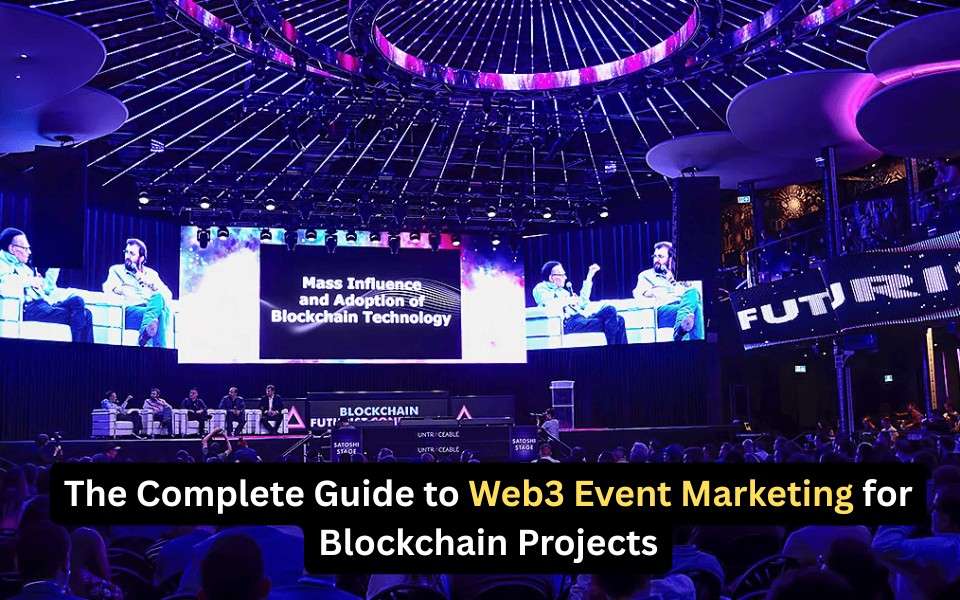
Web3 events have become an essential part of the blockchain ecosystem. From global crypto conferences and developer hackathons to community meetups and virtual summits, these gatherings bring together developers, entrepreneurs, investors, and enthusiasts who are shaping the future of decentralized technologies.
As the blockchain industry expands, the number of Web3 events continues to grow rapidly. However, organizing an event is only one part of the process. Ensuring that the right audience discovers and participates in the event requires effective marketing strategies specifically designed for the Web3 ecosystem.
This guide explores how Web3 event marketing works, why it differs from traditional event promotion, and which strategies blockchain projects can use to successfully promote their events.
What Is Web3 Event Marketing?
Web3 event marketing refers to the promotion of blockchain-related gatherings such as:
- cryptocurrency conferences
- Web3 developer meetups
- NFT exhibitions
- DeFi summits
- blockchain hackathons
- crypto webinars and virtual events
Unlike traditional event marketing, Web3 promotion focuses heavily on digital communities, decentralized networks, and global online engagement.
Many blockchain audiences discover events through platforms such as social media discussions, developer communities, crypto forums, and decentralized communities rather than traditional advertising channels.
Why Web3 Event Marketing Is Different from Traditional Event Promotion
Marketing an event in the Web3 ecosystem requires a different approach compared to traditional business conferences.
Several factors influence how blockchain events are promoted:
Global Digital Communities
Web3 communities operate across multiple countries and time zones. Because of this, digital promotion becomes the primary way events gain visibility.
Community-Driven Ecosystems
Blockchain projects rely heavily on active communities. Members often share announcements, participate in discussions, and encourage others to join events.
Highly Technical Audiences
Many event participants are developers, blockchain researchers, traders, or investors. They often seek technical discussions, product demonstrations, and educational insights.
Rapid Industry Innovation
Because blockchain technology evolves quickly, event topics must reflect current developments such as decentralized finance, artificial intelligence integration, tokenized ecosystems, and decentralized infrastructure.
Key Web3 Event Marketing Strategies
Successful Web3 event promotion usually combines multiple marketing approaches. Below are some of the most effective strategies used across the blockchain industry.
Community Engagement
Community engagement is one of the most powerful drivers of event visibility in Web3.
Projects often promote events through:
- Discord communities
- Telegram groups
- DAO forums
- community-driven discussions
Active communities help amplify announcements, generate discussions about the event, and encourage participants to invite others.
Social Media Promotion
Social media plays a central role in Web3 event marketing. Platforms such as Twitter (X), LinkedIn, Reddit, and Farcaster host daily conversations about blockchain technology.
Effective promotion strategies include:
- event countdown announcements
- speaker reveals
- discussion threads about event topics
- live conversations and Twitter Spaces
Consistent social media engagement helps maintain visibility and excitement leading up to the event.
Educational Content Marketing
Content marketing helps explain the value of the event while educating potential attendees.
Projects often publish content such as:
- blog articles explaining event themes
- technical previews of upcoming talks
- speaker interviews
- industry research reports
Educational content builds credibility and helps audiences understand why the event matters.
Across the industry, many Web3-focused organizations and service providers contribute educational insights that help shape discussions around blockchain innovation, decentralized infrastructure, and emerging technologies often highlighted in industry events.
Strategic Partnerships
Collaborating with other blockchain projects can significantly increase event reach.
Partnerships may include:
- co-hosted panels
- shared marketing campaigns
- cross-community announcements
- joint workshops or hackathons
When multiple Web3 communities participate in promoting an event, the potential audience expands significantly.
Influencer and Thought Leader Participation
Blockchain influencers, researchers, and developers often have strong relationships with their audiences. Featuring respected voices in the industry can improve event credibility.
Examples include:
- keynote presentations from well-known developers
- panel discussions with ecosystem founders
- interviews with blockchain researchers
Industry experts often attract their own communities, helping expand event reach.
Event Listings and Web3 Media Coverage
Listing events on crypto-focused platforms can help increase visibility among audiences already interested in blockchain topics.
Examples include:
- blockchain event directories
- crypto newsletters
- Web3 media platforms
- industry podcasts
These platforms provide targeted exposure to audiences that actively follow blockchain developments.
Interactive Campaigns and Incentives
Web3 communities often respond well to interactive campaigns that encourage participation.
Examples include:
- NFT ticket giveaways
- referral reward campaigns
- community quizzes or contests
- early registration incentives
These initiatives create excitement and motivate community members to share event announcements.
Hybrid and Virtual Blockchain Events
Many Web3 events now combine physical conferences with virtual participation options.
Hybrid formats offer several advantages:
- global accessibility for remote participants
- reduced travel barriers
- expanded audience reach
- recorded sessions for long-term learning
This approach allows projects to engage both local and international communities.
Measuring the Success of Web3 Event Marketing
Tracking performance metrics helps organizers understand the effectiveness of their marketing efforts.
Common indicators include:
- number of registrations
- attendee participation rates
- community engagement levels
- social media reach and impressions
- partnerships and collaborations generated after the event
These insights help improve future marketing strategies and event planning.
The Future of Web3 Event Marketing
As blockchain technology continues to evolve, Web3 events are likely to become more innovative and interactive.
Emerging trends may include:
- metaverse-based conferences
- decentralized ticketing systems
- token-gated community events
- AI-powered networking tools
These developments could reshape how blockchain communities collaborate, learn, and connect.
Conclusion
Web3 events play an important role in bringing together innovators, developers, and communities working to advance decentralized technologies. However, promoting these events effectively requires Web3 event marketing strategies that align with the unique dynamics of the blockchain ecosystem.
By combining community engagement, social media discussions, educational content, strategic partnerships, and interactive campaigns, Web3 event marketing enables blockchain projects to successfully promote their events and attract global audiences.
As Web3 adoption continues to expand, Web3 event marketing will remain a powerful approach for fostering collaboration, sharing knowledge, and driving innovation across decentralized networks.