Choosing the right Multi-State Concealed Carry class is about more than obtaining training certificates. You need practical firearm safety skills, a clear understanding of state-specific laws, and guidance on applying for the permits relevant to your travel plans. The right course helps you make informed decisions, handle firearms responsibly, and understand your legal obligations when crossing state lines.
If you live in Maryland or regularly travel between Maryland, Washington, D.C., Virginia, and other states, choosing a comprehensive course can make the application process more manageable. Before enrolling, evaluate the curriculum, instructor qualifications, hands-on training, application support, and total cost.
1. Comprehensive Training Across Multiple States
Start by checking which states the course covers. Not every concealed carry class provides the same training certifications or supports the same permit applications.
Look for a program that clearly identifies the states included, explains the application requirements, and helps you understand how permit recognition works. For example, PTPGun offers Multi-State Concealed Carry training with certifications covering Maryland, Washington, D.C., Virginia, Florida, Utah, and Arizona.
However, remember that completing training or receiving a certificate does not automatically grant you a permit. You must meet each jurisdiction’s eligibility requirements and complete its application process. Permit reciprocity also varies, so verify the current rules before carrying a firearm outside your home state.
2. Qualified and Experienced Instructors
Your instructor plays an important role in the quality of your learning experience. Look for professionals with relevant firearms training credentials, practical teaching experience, and knowledge of applicable state laws.
A good instructor should explain unfamiliar concepts clearly, welcome reasonable questions, and help you understand why specific safety procedures matter. You should feel comfortable asking for clarification rather than being expected to learn everything immediately.
Before enrolling, review the training provider’s background, instructor qualifications, course descriptions, and student feedback. If you’re a beginner, prioritize instructors who can teach fundamental concepts patiently without making assumptions about your previous experience.
3. A Balance of Classroom and Hands-On Training
A quality Multi-State Concealed Carry course should combine legal education with practical instruction. Classroom discussions are important, but you also need opportunities to develop safe handling habits under qualified supervision.
Check whether the curriculum covers:
- Fundamental firearm safety rules and responsible ownership.
- Handgun components, basic operation, cleaning, and maintenance.
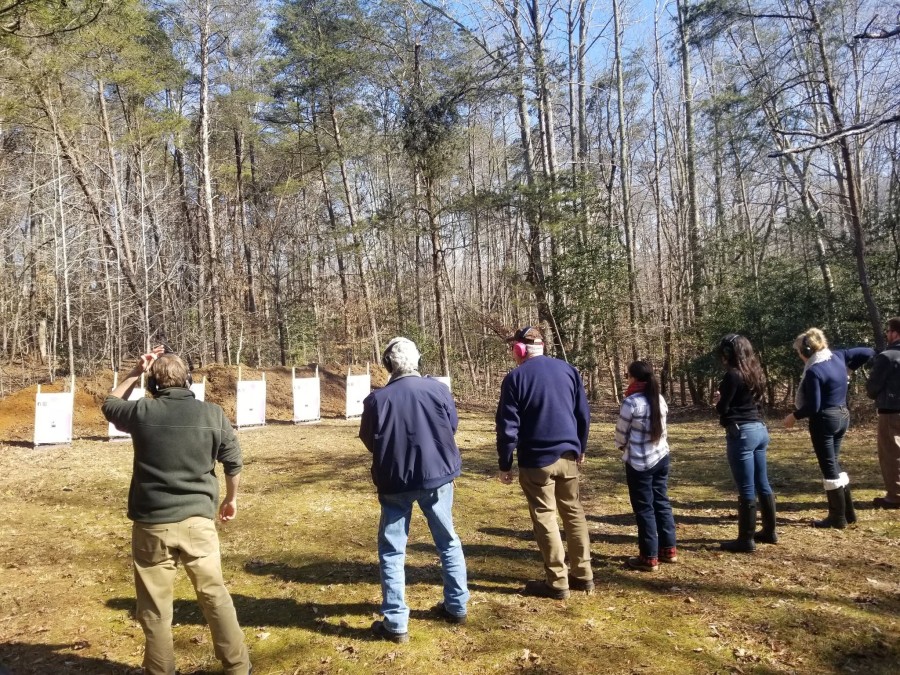
- Shooting fundamentals and supervised range practice.
- Safe handling, holster awareness, and appropriate storage.
- Relevant firearm, carry, and self-defense laws.
Ask how much time the course allocates to classroom instruction and practical exercises. Also confirm whether firearms, holsters, ammunition, and range fees are included or charged separately.
PTPGun’s published multi-state course description includes classroom instruction, handgun maintenance, holster education, supervised practice, and legal topics. Review the current course details to confirm what is included in your selected session.
4. Clear Explanations of State Laws
Legal education is one of the most important factors to consider when selecting a multi-state program. Firearm laws differ across jurisdictions, and a permit recognized in one state may not be recognized in another.
Your course should help you understand permit eligibility, carry restrictions, prohibited locations, transportation requirements, and the legal principles surrounding self-defense. It should also explain that laws can change after you complete your training.
Ask whether the instructor provides guidance on checking official state resources. Before every trip, independently verify the destination’s current laws, reciprocity rules, and restrictions. Never assume that a permit or certificate authorizes concealed carry everywhere.
5. Application and Documentation Support
Completing training is only one part of obtaining concealed carry permits. You may also need application forms, photographs, fingerprints, fees, and other supporting documents, depending on the jurisdiction.
Look for a provider that explains these requirements and offers clear guidance on the next steps. Some programs also provide fingerprinting, passport-style photographs, or application assistance as optional services.
PTPGun offers additional application assistance and related services. Before paying, confirm which services are included in your package, which cost extra, and whether the provider submits applications on your behalf or simply helps you prepare them.
Remember that application assistance does not guarantee approval. The relevant licensing authority makes the final decision.
6. Transparent Pricing and Course Inclusions
The cheapest class is not necessarily the best value. Compare the complete cost of each program rather than relying on the advertised tuition alone.
Ask whether the price includes:
- All classroom and range sessions.
- Firearms, ammunition, and training equipment.
- Required training certificates.
- Fingerprinting and photographs.
- Application fees or paperwork assistance.
- Rescheduling and cancellation arrangements.
Request a written breakdown before registering. This helps you compare providers fairly and avoid unexpected expenses. Also confirm the class duration, attendance requirements, location details, and any prerequisites.
7. Convenient Locations and Ongoing Guidance
Convenience matters, particularly if you are balancing work, family, and travel. Consider the provider’s training schedule, location, parking arrangements, and communication process.
For students in Maryland, PTPGun serves areas including Baltimore, Annapolis, and Southern Maryland. Check the current schedule and confirm the exact venue before attending, as some training sessions may take place at private facilities.
It is also helpful to choose an instructor or provider that explains where to find updated legal information after the course. Your responsibility does not end when you receive a certificate; staying informed is essential to lawful, responsible firearm ownership.
Choose a Class That Prepares You Beyond Certification
The best Multi-State Concealed Carry class combines qualified instruction, practical safety education, state-specific legal guidance, transparent pricing, and reliable application support. It should prepare you to understand your responsibilities rather than simply help you collect certificates.
If you’re comparing training options in Maryland, explore PTPGun’s multi-state concealed carry training program to review its curriculum, covered jurisdictions, and available services. Confirm the latest course details and applicable state requirements before registering.
Take the next step: Choose a course that fits your experience, travel needs, and learning goals. Prioritize safety, verify every legal requirement, and approach concealed carry as an ongoing responsibility.